
Rituals & Practices September 2026
How to Create a Meaningful Spiritual Practice
Learn how to start a spiritual practice that actually lasts — small daily habits, gentle consistency, and simple ways to build meaning over time.
Read MoreHeal Your Soul Trust Your Journey Live In Harmony
Rituals & Practices

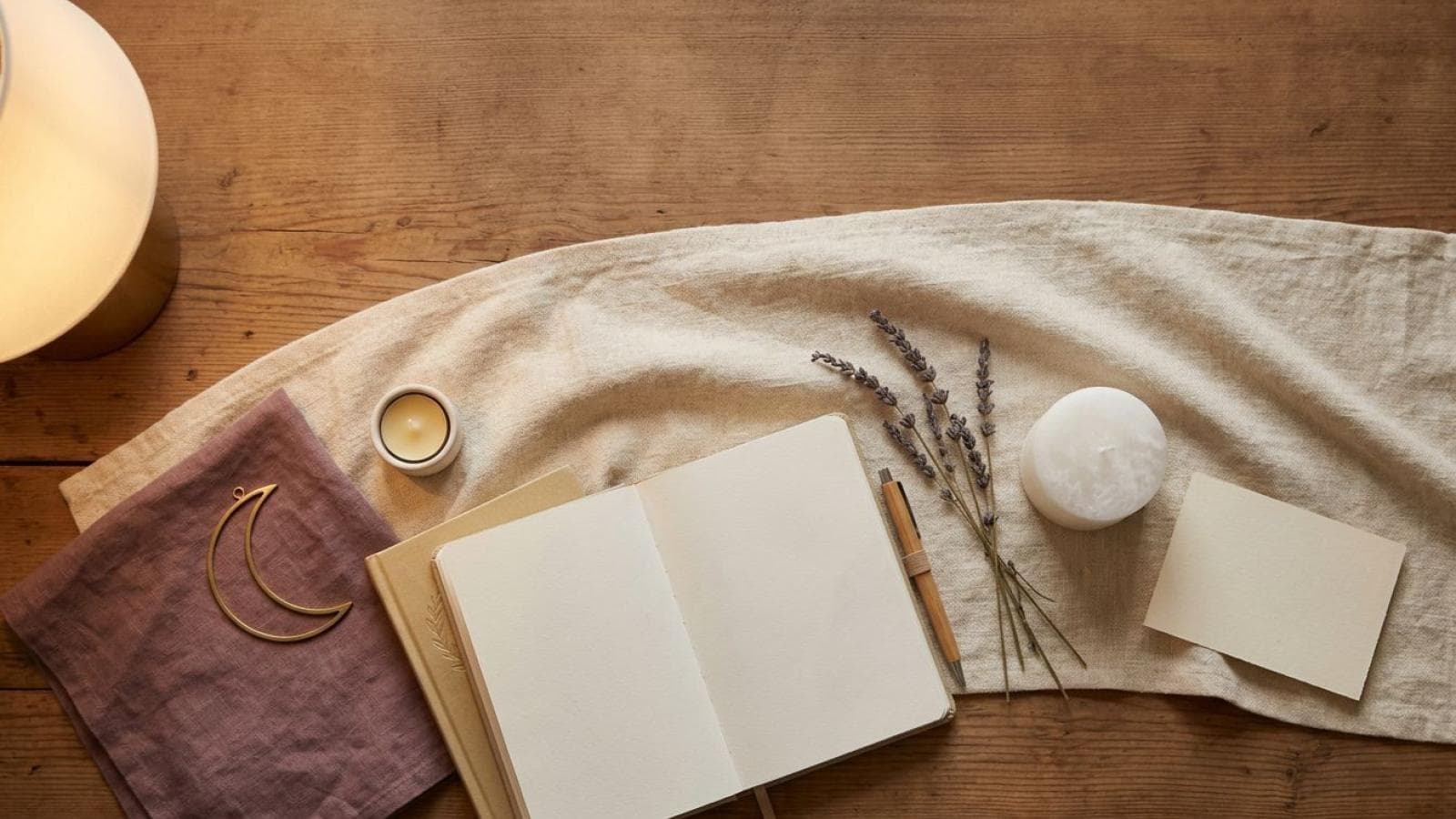
Follow the moon's natural rhythm with this simple new moon to full moon ritual flow — intention, action, reflection, and rest, in four easy phases.
A new moon to full moon ritual gives you a simple, repeatable rhythm for the entire lunar month: set an intention as the moon disappears, take small steady action as it grows, and release what no longer serves you as it reaches fullness. You don't need an elaborate altar or years of practice to follow this flow — just a willingness to notice where the moon is and let that gentle rhythm shape a few quiet minutes of your month.
Many people who explore moon-based practice start by picking up bits and pieces — a new moon intention here, a full moon release there — without ever seeing how the two connect. This guide lays out the full arc, from new moon to full moon and back again, so you have one simple structure to return to every month instead of a scattered collection of rituals.
A new moon to full moon ritual is a monthly practice that follows the moon's natural cycle through four phases — new, waxing, full, and waning — using each phase as a prompt for a different kind of reflection. The new moon invites beginnings. The waxing moon invites steady effort. The full moon invites culmination and release. The waning moon invites rest and integration.
This structure works because it mirrors something almost every area of life already does in miniature: things begin quietly, they build, they reach a peak, and then they need space to settle before the next cycle starts. The moon simply gives that pattern a visible, dependable marker in the sky.
One reason this rhythm resonates with so many people is that it doesn't ask you to sustain constant momentum. Unlike habit trackers or productivity systems that expect daily output with no built-in pause, the lunar cycle has rest woven directly into its structure. The waning phase isn't a lapse in the practice — it's part of it, by design.
The new moon marks the start of the cycle, when the sky is at its darkest and the moon is invisible from Earth. This blank, quiet phase is traditionally treated as fertile ground for planting a new intention — much like dark soil before a seed is placed in it.
If you want a fuller walkthrough of this first phase — including how to choose an intention that actually sticks — our beginner's guide to setting intentions on the new moon covers it step by step.
A common mistake at this stage is choosing an intention that's really a wish about outcomes you can't fully control, rather than a statement about how you want to show up. "I want everyone to notice my hard work" is a wish about other people's reactions. "I am showing up consistently for the things that matter to me" is an intention you can actually carry through the month, regardless of how anyone else responds.
The waxing moon is the roughly two-week stretch between the new moon and the full moon, when the moon's visible sliver grows a little larger each night. This phase is where the intention you planted needs small, consistent action rather than a single dramatic push.
Gentle action during the waxing phase might look like:
The waxing moon rewards consistency over intensity. A small, repeated action across two weeks tends to outperform one large burst of effort that fades by the second day.
It also helps to treat the waxing phase as a check-in period rather than a test. If your midweek reflection reveals you haven't touched your intention in four days, that's simply useful data — not a reason to abandon the practice or wait for next month to try again. The waxing moon keeps growing steadily whether or not you notice it each night, and your progress can follow the same quiet, uneven rhythm.
The full moon arrives roughly two weeks after the new moon, when the entire visible face of the moon is illuminated. This is traditionally treated as the cycle's peak — a natural point to pause, reflect on what's surfaced since you set your intention, and consciously release whatever no longer serves you.
A simple full moon reflection might include:
For a deeper exploration of what each month's full moon can mean — including monthly themes you can build a longer practice around — our guide to honouring every full moon throughout the year is a useful next stop.
Want to explore moon-based ritual and reflection alongside others who are building the same practice?
Join the Zen Oasis communityThe waning moon is the roughly two-week stretch after the full moon, when the visible moon gradually shrinks back toward darkness. This phase is often skipped entirely in simplified moon-ritual guides, but it's just as important as the other three — it's where everything you've set in motion gets a chance to settle.
Rest and integration during the waning phase might look like:
Skipping this phase is one of the most common reasons people burn out on moon-based practice within a few months. Without rest, the cycle turns into a constant demand for output rather than a rhythm you can sustain.
The waning moon also offers a useful moment to ask what you're carrying forward versus what genuinely belongs to the month that's ending. Not every unfinished intention needs to roll over automatically into the next cycle — sometimes the most honest integration is recognising that a particular intention has simply run its course, and that's a completion, not an abandonment.
A simple monthly template makes this practice sustainable because it removes the need to reinvent the ritual every four weeks. Here's a compact version you can return to each cycle:
| Moon Phase | Focus | Simple Practice |
|---|---|---|
| New Moon | Beginning | Write one intention in a single sentence. |
| Waxing Moon | Action | Take one small step; check in weekly. |
| Full Moon | Reflection & Release | Review the intention; name what to let go of. |
| Waning Moon | Rest | Slow down; integrate without judgment. |
Keeping this template visible — on a journal's inside cover, a phone note, or a printed card near your sacred space — makes it easier to return to each month without having to relearn the structure.
Over several cycles, most people find they naturally personalise this template — adding a specific candle colour for the new moon, a particular piece of music for the full moon reflection, or a favourite spot for the waning-moon walk. The core four-phase structure stays the same; the personal details are simply what make it feel like yours rather than a borrowed set of instructions.
Making this ritual fit a busy life is entirely possible because none of the four phases require more than a few quiet minutes. The practice is designed to flex around your schedule, not the other way around.
If you'd like company in building this rhythm — sharing reflections, hearing how others are approaching the same monthly flow — the Zen Oasis community offers a space for exactly that kind of ongoing, low-pressure practice.
A shared rhythm helps this practice stick because moon-based ritual, like most personal habits, tends to fade when it's carried entirely alone. Knowing that others are setting an intention on the same new moon, or reflecting on the same full moon, adds a quiet accountability that doesn't rely on willpower alone.
This doesn't mean the practice needs to become public or performative. Even a simple awareness that a wider community is moving through the same monthly arc — some sharing their intentions, others simply reading along — can make the difference between a ritual that lasts one month and one that becomes a genuine, sustained rhythm across a year.
New to moon-based ritual and want a simple place to begin your first new moon intention?
Read the beginner's guide to new moon intentionsThe new moon to full moon stretch is roughly two weeks, and the full lunar cycle — new moon back to new moon — is about 29.5 days. This guide covers both halves: the waxing two weeks toward the full moon and the waning two weeks back toward the next new moon.
No, this practice only requires a few quiet minutes and a way to jot down your intention, such as a notebook or phone note. Candles, crystals, or a dedicated sacred space can add to the experience, but they aren't required for the ritual to be meaningful.
Missing a phase is completely normal and doesn't undo the practice. The moon returns to each phase every month, so you can simply rejoin the rhythm at the next new moon or full moon without needing to "catch up."
Yes, this monthly flow is designed for beginners and doesn't require prior experience with astrology, ritual, or spiritual practice. It's built around simple reflection and journalling rather than specialised knowledge.
The new moon phase is about setting an intention and beginning something, while the full moon phase is about reflecting on progress and consciously releasing what no longer serves you. Together they form a complete arc rather than two separate, unrelated practices.

Konchok Yangchen
Konchok Yangchen is an Intuitive Healer, Psychic Medium, Oracle Reader, and Holistic Counsellor, and the founder of Zen Oasis Wellness Center.
Related
Rituals & Practices September 2026
Learn how to start a spiritual practice that actually lasts — small daily habits, gentle consistency, and simple ways to build meaning over time.
Read More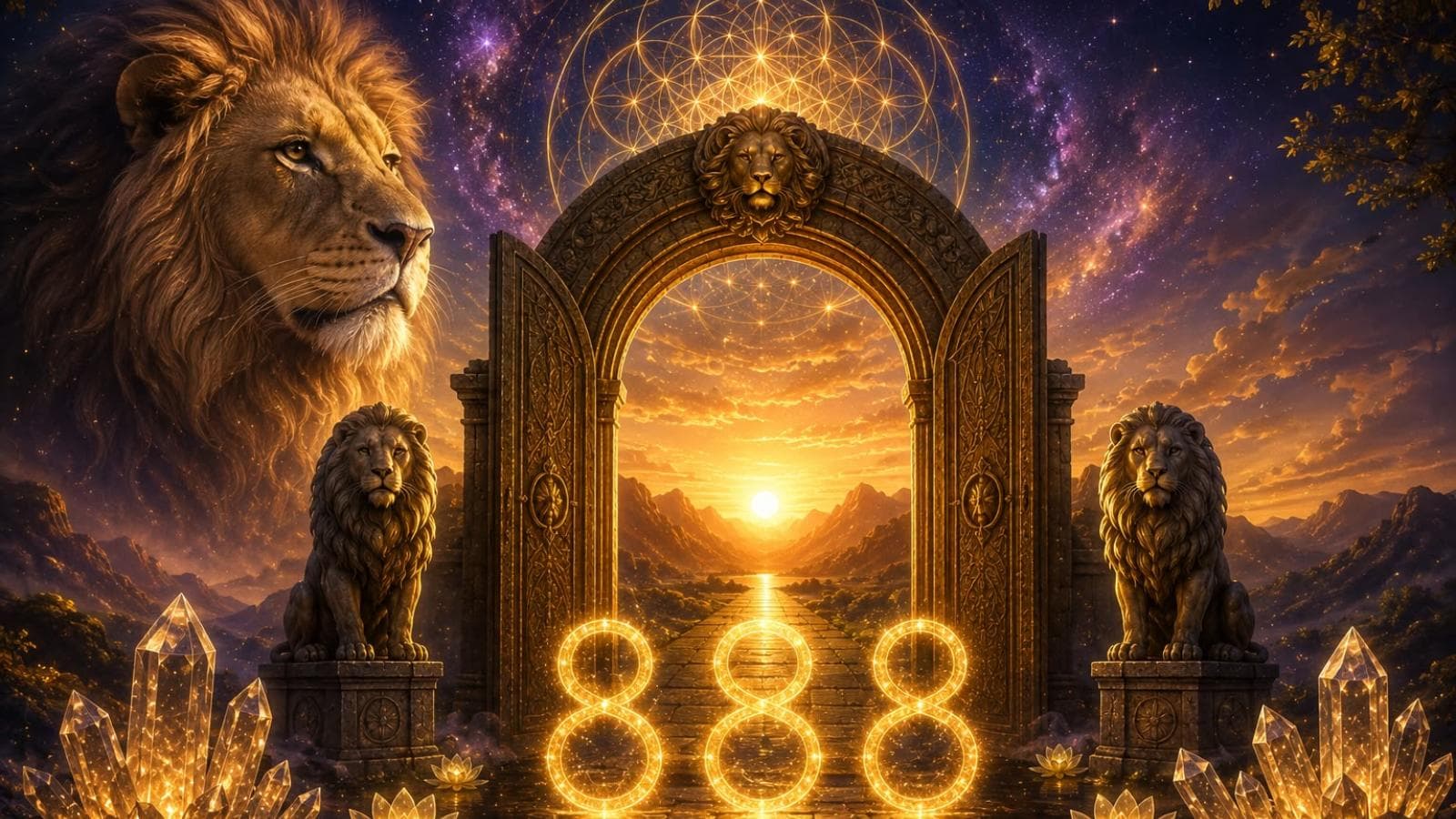
Rituals & Practices August 2026
August 8, 2026 carries a rare triple-8 vibration (8/8/8). Explore the spiritual meaning of the Lion's Gate Portal, the crystals that support it, and a simple step-by-step ritual for setting your eight intentions.
Read More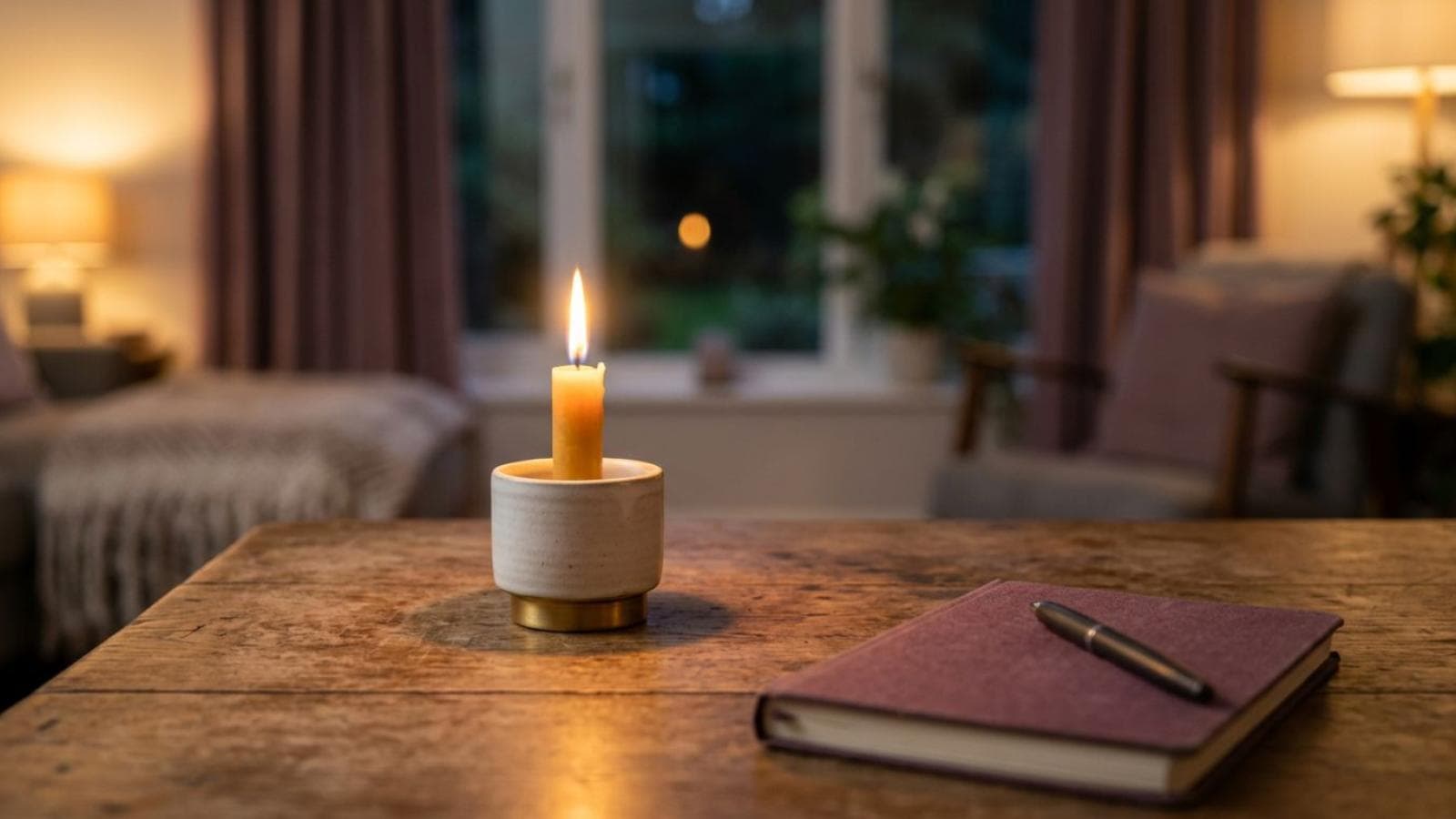
Rituals & Practices July 2026
Candle rituals offer a mindful way to pause, reflect, and focus on your intentions. Learn what candle magic is, how to choose a candle, a simple ritual to try, and journal prompts to deepen your practice.
Read More